





Thirty lunches that nobody ate

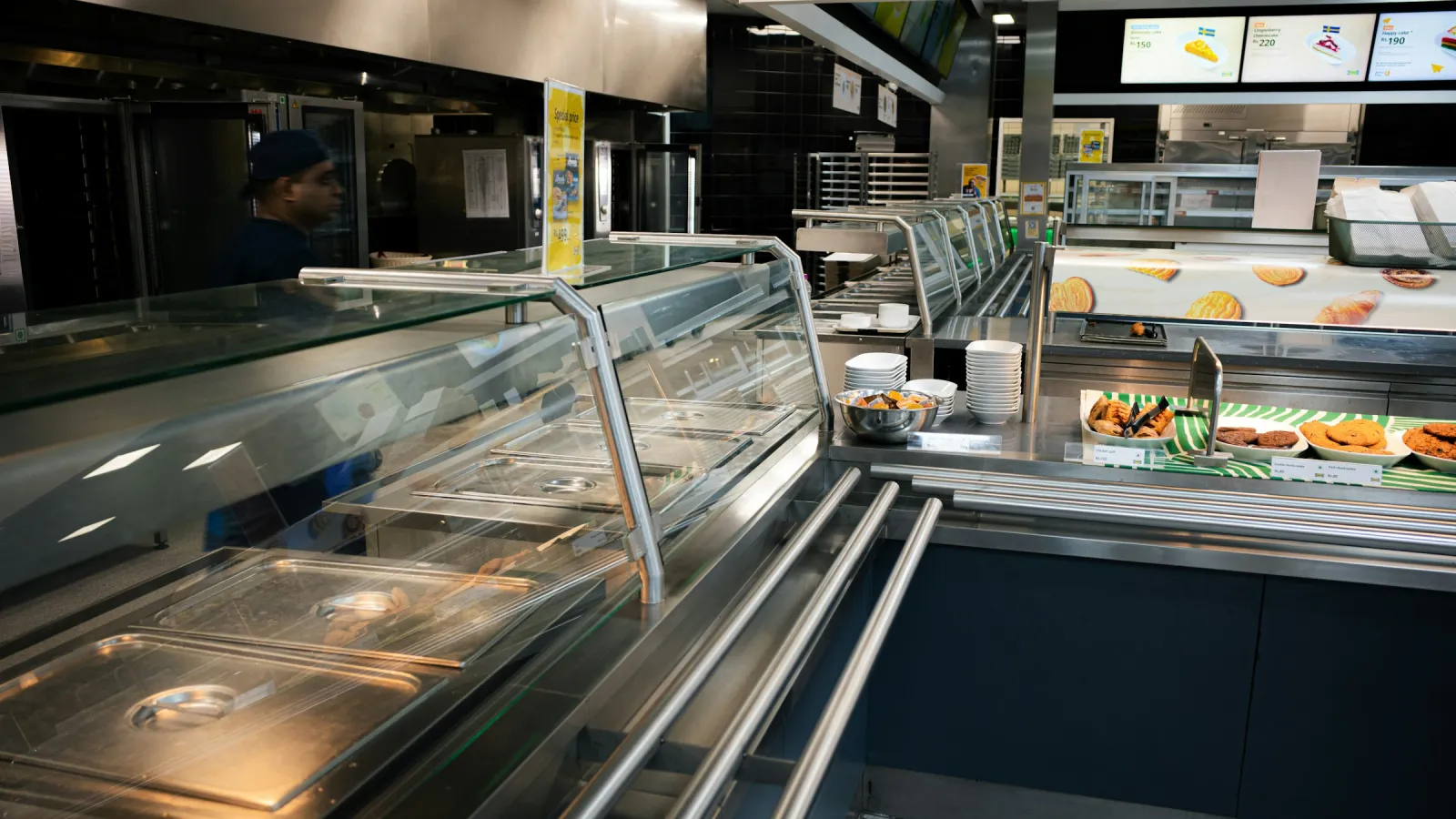

Monday, 11:40 am. Thirty lunches are sitting on the serving counter and nobody is coming for them. Half the shift is at a training course in Žilina, two people called in sick this morning and three have been on holiday since Friday. The order, however, went to the kitchen back on Wednesday, based on a spreadsheet nobody has touched since.
An order that takes on a life of its own
In many companies, lunches are still ordered on a paper list at the gatehouse or in a shared Excel spreadsheet. On Wednesday, someone from HR collects the orders for the whole of next week and sends them to the supplier. Then real life gets in the way. The foreman moves two people to the night shift, a salesperson leaves on a three-day business trip, someone's holiday is approved on Friday afternoon, and on Monday morning the phone rings because someone is off sick.
Nobody goes back to the list. And even if they did, the supplier closed the numbers long ago. So the order describes the company as it was last Wednesday, not the one that turns up for lunch on Monday.
The kitchen cooks blind
The kitchen gets a single number and no context. It doesn't know that half the department is at a training course, or that production isn't running three shifts this week. It cooks exactly what is on the paper, and an experienced cook adds a few extra portions, because “better too much than too little”.
After serving, the leftovers go to those who want seconds, someone takes a few portions home and the rest ends up in the bin. Nobody counts it, because it happens a little at a time, every single day.
Who pays for that lunch?
An uncollected lunch doesn't just disappear. Someone pays for it. Sometimes it's the employee, who has the lunch deducted from their pay even though they spent that day at home with a fever. You'll then meet that person at the payroll office, payslip in hand. Other times the company quietly pays, because nobody wants to argue over a few euros.
Yet in Slovakia, an employee is entitled to a meal for a shift in which they work more than four hours, and the employer covers at least 55 per cent of the meal price (Section 152 of the Slovak Labour Code). There is no entitlement on a day of holiday or sick leave. A paper list doesn't know that, though, and orders the lunch anyway.
What it costs: a model calculation
Let's take a model company with a canteen for 200 diners. Say that 8 portions a day go uncollected, which is 4 per cent, and one portion costs €4.80 from the supplier.
That's €38.40 a day and, over 250 working days, €9,600 a year. For food that nobody ate.
The calculation leaves out the time spent collecting orders, retyping spreadsheets and correcting payroll deductions. And the mood of people who pay for a lunch they never ate.
What will help even without a new system
The cut-off matters most. The closer it is to the day of cooking, the more accurate the numbers the kitchen gets. Ask your supplier whether they really need orders for the whole week in advance, or whether a day's notice is enough.
The second thing is a clear rule on who can cancel a lunch and by when. If people don't know, they don't cancel. It also helps if HR updates the lunch list as soon as they approve a holiday, even though it's one more manual task.
And finally, give people a way to pass a lunch they can no longer cancel on to a colleague. There's always someone who forgot to order.
A little test for this week. Ask the canteen staff to count the portions left on the counter after every lunch. In five days’ time, you’ll have an actual figure instead of an estimate.
webApetit
How webBox handles this
The webApetit canteen system takes ordering off paper and out of Excel and puts it in the hands of the diners themselves. They order via a kiosk, the web or the mobile app, and can change or cancel an order right up to the cut-off. Anyone who misses it can put their lunch on the meal exchange, where a colleague can pick it up, even when it's a combined order. Together with cancellations, the exchange reduces the number of portions left on the counter.
After the cut-off, the system sends the supplier the exact number of portions by itself, with no spreadsheets to retype. Meal entitlement is carried over directly from webVisitor attendance, and at the counter diners identify themselves with a card, biometrics or the serving app. Meal deductions go straight into payroll, and you manage credit, daily limits and subsidies in one place.
Did this article catch your interest?
We'll walk through your processes and show you how it would work in your company.